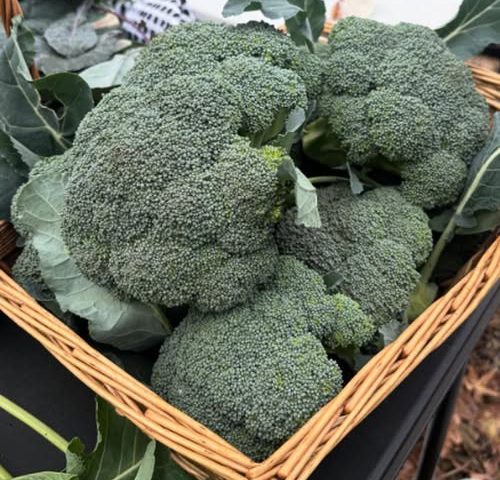
Broccoli is healthy, but how you cook it affects how well its vitamins and protective compounds are preserved
Broccoli is one of the healthiest vegetables you can eat. Packed with vitamins, minerals, fiber, and powerful plant compounds, regularly eating broccoli supports nearly every major system in the body.
Here are the key science-backed benefits of eating broccoli:
Rich in nutrients: High in vitamin C, vitamin K, fiber, and potassium
Boosts immunity: Antioxidants help protect against illness
Supports heart health: Helps lower cholesterol and inflammation
Aids digestion: Fiber supports gut health and regularity
May reduce cancer risk: Contains sulforaphane, a powerful plant compound
Good for weight control: Low in calories, high in fiber
Supports eye & bone health: Provides lutein, calcium, and vitamin K
To get the most of its nutrients and to boost flavor, how you cook it matters. Keep reading to find out what the research actually shows and discover the winning methods that preserve nutrients.
The Best Cooking Methods for Maximum Nutrient Retention

The best method will vary depending on your health goals and whether you prefer to preserve nutrients or boost flavor:
– Steaming: Research shows that steaming broccoli retains the highest levels of vitamin C and antioxidants.3 “Steamed broccoli can easily be prepared by using a pot with a lid and a steamer basket,” Kristen Smith, RDN, and spokesperson for the Academy of Nutrition and Dietetics, told Health. “It can easily be enhanced with flavors such as onion or garlic powder, lemon zest, chili flakes, or a simple seasoning of salt and pepper.”
– Microwaving: Research shows that microwaving broccoli can increase its sulforaphane levels. Compared to steaming, rapid heating in the microwave limits nutrient loss due to minimal water contact and shorter cook times.
– Light sautéing or stir-frying with olive oil: Sautéing or stir-frying broccoli in a bit of olive oil is best for enhancing flavor and for improving the potential absorption of certain compounds, such as glucosinolates and isothiocyanates. Quick, moderate-heat sautéing also preserves texture and flavor while avoiding prolonged exposure to heat.
While steaming and microwaving maximize nutrient retention, roasting or sautéing broccoli may encourage higher intake because these methods produce a better taste.
The Worst Cooking Methods
“Cooking vegetables for extended periods is not ideal for preserving their nutritional value,” said Smith.6 “For broccoli, maintaining its bright green color is a good indicator that nutrients have been better retained.”
Boiling: Boiling broccoli leaches significant water-soluble vitamins and compounds (such as glucosinolates) into the cooking water. Most research suggests that boiling broccoli leads to the greatest loss of its nutrients, so this cooking method is best to skip.
Overcooking (any method): Studies show that cooking broccoli in excessive amounts of water for a long time leads to the greatest nutrient loss. Overcooking leads to heat degradation, reducing vitamin C and phytochemical levels. Overcooking can also make broccoli mushy in texture and lead to a loss of its vibrant color.
How to Get More Benefits No Matter How You Cook It
There are a number of ways to get the most benefits out of broccoli, both in terms of nutrition and taste:
– Cut broccoli florets evenly for more consistent cooking.
– Use the stems in recipes and meals. Broccoli stems are nutritious (rich in vitamin C) and hold up well in cooking.
– Pair broccoli with olive oil, citrus, or spices to enhance flavor.
– Don’t cook broccoli past a bright green color. This will make it mushy and overcook it, which will lead to loss of beneficial water-soluble nutrients and compounds.
– Use minimal water when cooking, as excessive water results in nutrient loss.