My sister-in-law kept joking about my miscarriage until my husband finally heard her.
My sister-in-law, Rachel, always resented that Kevin chose me. She said she couldn’t believe he picked someone so different from their family. We’d been married three years when I miscarried at eleven weeks. We had already picked names, already bought baby clothes. We were destroyed.
Around Kevin, Rachel acted supportive. She hugged me and said everything happens for a reason. But when we were alone, she was completely different.
The first time it really showed was at a family barbecue two weeks after the miscarriage. Kevin was outside by the grill with his dad. Rachel cornered me by the kitchen counter.
“At least now you know you can get pregnant,” she said lightly. “Maybe your body knew something was wrong with it.”
I was too shocked to respond. She patted my shoulder and walked away like she’d comforted me.
At her birthday dinner, Kevin went to the bathroom and she leaned toward me over her wine.
“My friend had three miscarriages before a healthy baby,” she said. “But she was younger than you. You’re thirty-two, right? Clock’s ticking loud.”
When Kevin came back to the table, she immediately switched to talking about her job.
It escalated from there. She started texting me articles about miscarriage statistics.
“Thought this might help you understand what went wrong,” she’d write.
She left comments on my social media posts.
“Wow, moving on fast,” she’d say on a photo of me at brunch.
She told people in the family I seemed fine, that I probably wasn’t that attached because it was so early.
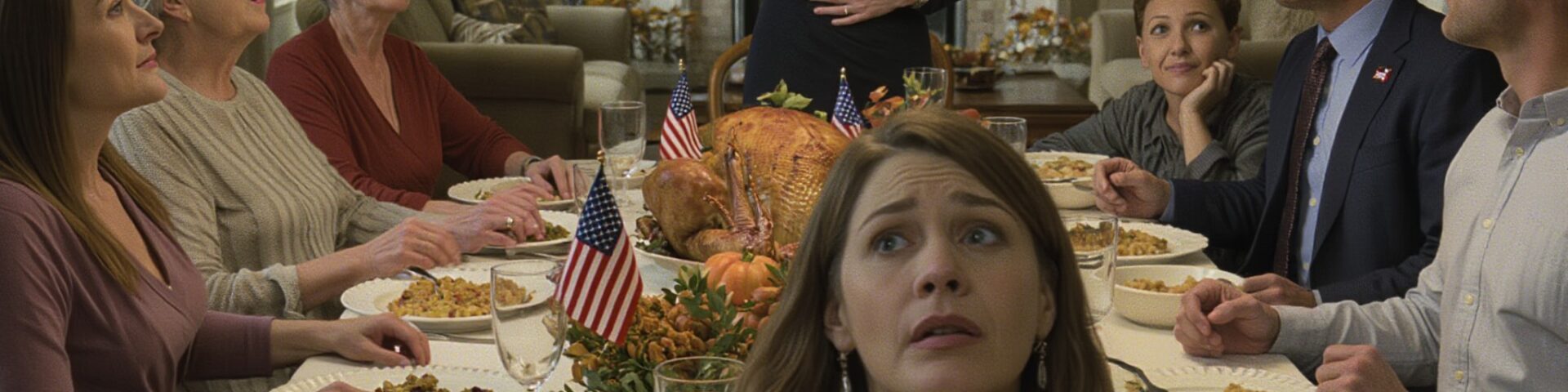
At Thanksgiving, she stood up in front of everyone to announce her pregnancy. Then she looked directly at me.
“Hopefully this baby will be the first grandchild that actually makes it,” she said.
The room went silent. Kevin frowned.
“What do you mean by that?” he asked.
She laughed and waved a hand.
“I misspoke,” she said quickly. “You know what I meant.”
He believed her. He always believed her.
She waited until Kevin wasn’t around to say the worst things. She called me the “almost mom.” She asked if we’d accepted that parenthood just wasn’t meant for us. She joked about how at least she didn’t have to deal with stretch marks yet.
When we announced another pregnancy, Rachel’s face fell. She recovered instantly, hugged us with wide eyes, and then pulled me aside.
“Don’t get too attached this time,” she whispered. “Just in case.”
She reminded me constantly that anything could happen. She had a friend who felt great right before losing her baby. She loved reminding me that the first twelve weeks were the most dangerous. After our twelve-week scan came back healthy, she smirked.
“Well, you made it further than last time,” she said.
She bought us a baby gift but made sure to mention she’d kept the receipt.
“You know how these things go,” she said. “Just being practical.”
I started avoiding family events. Kevin thought I was hormonal and paranoid. He said Rachel was being supportive in her own way.
She insisted on throwing my baby shower. She decorated with white balloons and, when we were alone in the kitchen, told me they were for the “angel baby.”
She handed me a memorial book for lost babies.
“Every mother should have one,” she said. “Just in case.”
At eight months pregnant, we went to Rachel’s house for dinner. Kevin was outside fixing the car with their dad. Her husband was upstairs with their kid. Rachel stared at my belly like it offended her.
“Something could still go wrong, you know,” she said. “My friend’s baby died at thirty-six weeks. Just stopped moving. She had to deliver knowing it was dead. That’s worse than an early miscarriage. At least you didn’t deliver a dead baby.”
Her eyes were flat.
“Some women aren’t meant to be mothers,” she went on calmly. “Maybe your body knows that. Maybe that’s why it rejected the first one.”
I started crying. She rolled her eyes.
“So sensitive,” she said. “I’m just trying to prepare you for reality.”
Kevin walked in from the backyard and saw me crying with Rachel looking annoyed.
“What happened, Rachel?” he asked.
She shrugged.
“Hormonal moment about nothing,” she said.
But what she didn’t know was that Kevin had heard everything through the open window. He’d been listening for five minutes.
His face went white.
“What the hell is wrong with you?” he snapped.
Rachel tried to deny it, but he’d heard it all—the dead baby comments, the lines about my body rejecting babies, about me not being meant to be a mother.
I broke down and told him everything. Every comment over the past year. Every little dig, every “joke.”
Kevin was furious. He told Rachel she was sick. He said anyone who could torture a woman about miscarriage was dangerous and banned her from our lives until she got psychological help.
“I don’t have a sister anymore,” he said, as we left.
We didn’t speak to her again. Our daughter was six months old when everything exploded. Rachel had never met her. She kept sending gifts that we donated, posting online about being cut off from her family “for no reason.”
Then yesterday, everything changed.
Kevin’s mom called me crying.
“Rachel’s in the hospital,” she said.
My blood went cold.
“What happened?” I asked.
“She lost the baby,” she whispered. “Thirty-four weeks. Stillborn.”
I felt something icy crawl up my spine. Not from sympathy—at least not at first—but from fear.
“When?” I asked.
“Yesterday morning,” Kevin’s mom said. “But, honey… she’s saying things.”
“What things?” I asked.
“She says you did something to her,” she said. “She says you cursed her. That you made this happen.”
“That’s insane,” I said, but my voice didn’t sound like mine.
“She has screenshots,” Kevin’s mom choked out. “Of you visiting pregnancy loss forums. Searching for herbs that cause miscarriage. Looking up ways to curse someone’s pregnancy. She says it’s all from your account.”
“I never—” I started.
“She says it shows your username, your email,” she whispered.
I hung up with my hands shaking, opened my laptop, and logged into the forums I’d used after my miscarriage for support.
My account page loaded, and my stomach dropped.
There it was. My username. My email. Posts I’d never written. Searches I’d never made. All dated from last month.
“Natural ways to cause miscarriage.”
“Herbs to slip someone to lose pregnancy.”
“Pregnancy revenge spells that work.”
My phone rang. An unknown number.
“This is Detective Jason,” a man’s voice said. “We need to speak to you about Rachel McNeel’s stillbirth.”
“I don’t understand,” I whispered.
“She’s provided evidence that you threatened her pregnancy,” he said. “We need you to come down to the station.”
Another call buzzed in. Kevin.
I switched lines.
“What did you do?” he asked, his voice like ice.
“Nothing,” I said. “I swear. Someone’s setting me up.”
“Rachel’s friend saw you at her house last week,” he said. “You brought her tea. You told her it was special pregnancy tea.”
“I haven’t been to Rachel’s house,” I said. “I haven’t seen her in six months.”
“They found the tea,” he said flatly. “It tested positive for pennyroyal. It causes miscarriages.”
The line went dead.
My phone slipped from my hand and hit the floor. I sat frozen on the couch, staring at the black screen.
Kevin actually thought I did this. My own husband believed I poisoned Rachel’s tea and killed her baby.
My hands wouldn’t stop trembling. I pressed them against my belly, feeling my daughter kick hard against my ribs like she could sense my panic. Six months old, alive and warm and sleeping in her crib in the next room, and now it felt like someone was trying to rip her away from me by destroying me first.
Rachel had finally found a way to hurt me worse than any cruel comment ever could.
The forum posts were right there on my account—searches I’d never made, words I’d never written. How had she even gotten into my account? I tried to think back over the past month. Every time my laptop had been out of my sight. Every time someone else could have touched my phone. But we hadn’t seen Rachel at all. Not since Kevin banned her from our lives.
The tea didn’t make sense either. I hadn’t been to Rachel’s house. I hadn’t seen her. But Kevin said Rachel’s friend saw me there, bringing “special pregnancy tea.”
Someone saw a pregnant woman at Rachel’s door, and Rachel convinced her it was me.
My phone buzzed on the floor. I stared at it like it might bite me.
What if it was the detective again, demanding I come to the station?
What if it was Kevin calling back to accuse me of something worse?
The phone kept vibrating against the hardwood. Finally, I grabbed it with shaking hands. Marina’s name flashed on the screen.
My best friend.
I answered and immediately started sobbing so hard I couldn’t speak. She didn’t ask questions. She just said, “I’m coming over right now. Lock the doors until I get there.”
Twenty minutes later, Marina let herself in with her spare key and found me curled on the couch, sobbing into a throw pillow. She sat down beside me, pulled me into her arms, and let me cry into her shoulder.
When I could finally breathe, I told her everything. The call from Kevin’s mom about Rachel losing the baby. The accusations about curses and poisoned tea. The fake forum posts on my account. Kevin believing I actually did this.
Marina’s face hardened when I mentioned the detective.
“You’re not talking to anyone without a lawyer present,” she said immediately. “Not the police, not Kevin’s family, no one.”
She pulled out her phone.
“I know someone who handles criminal defense,” she said, already scrolling through her contacts. “Let me call her now.”
I watched Marina make three different calls, her voice calm and professional even though I could see anger in her eyes. She explained the situation to each lawyer, asking about their experience with false accusations. By the third call, she’d found someone who could meet with us the next morning—a defense attorney named Evelyn Ryder, who specialized in cases exactly like mine.
Criminal defense. False accusations. The words felt surreal, like I’d fallen into someone else’s legal drama.
My baby kicked again, harder, and I rubbed the spot on my belly where her little foot pressed against my skin.
“Pack a bag,” Marina said gently. “You’re staying at my place tonight.”
I started to protest.
“Kevin thinks you poisoned his sister’s tea,” she said. “You can’t stay here alone with him thinking that. What if he comes back? What if he’s angrier than he sounded on the phone?”
She was right.
I went to the bedroom and threw clothes into an overnight bag. My hands shook so badly I could barely zip it closed. I grabbed my laptop too—the one with the fake forum posts that would either prove my innocence or condemn me.
We drove to Marina’s apartment in silence. She kept glancing over at me like she was afraid I might shatter. My face felt swollen from crying. My eyes burned, and my stomach flipped with a nausea that had nothing to do with pregnancy.
At her place, Marina made me herbal tea and forced me to drink it. The irony nearly made me gag, but she sat across from me at her tiny kitchen table and made me go through everything again, this time taking notes.
Every detail about my relationship with Rachel.
Every cruel comment over the past year.
The six months of no contact since Kevin had finally heard the truth.
Marina wrote down dates and times, building a timeline of where I’d been in the past few weeks.
“Your phone will have location data,” she said. “Credit cards will show where you’ve been shopping. If you weren’t at Rachel’s house, we can prove it.”
“But what about the forum posts?” I whispered. “What about the tea that tested positive for pennyroyal?”
Whatever that was, someone had physically brought tea to Rachel’s house. Someone pregnant enough that the neighbor thought it was me.
I barely slept that night on Marina’s couch. Every time I closed my eyes, I saw Rachel’s face when she’d announced her pregnancy at Thanksgiving, looking right at me when she said she hoped her baby would be the first grandchild that “actually made it.”
I saw Kevin’s expression when he’d walked in on me crying at Rachel’s house eight months ago.
I heard his voice from earlier that day, cold as ice.
“What did you do?”
Around three in the morning, I gave up on sleep and opened my laptop. The forum was still there, still showing those awful searches under my name. I tried to figure out how to see where the posts came from, what computer they’d been made on, but I didn’t know enough about technology.
That’s what the lawyer would have to figure out.
The next morning, Marina drove me downtown to Evelyn Ryder’s office. The building was tall and glass, the kind of place that looked expensive from the sidewalk. I started to panic about money, but Marina squeezed my hand.
“Don’t worry about that right now,” she said. “Just focus on telling her everything.”
Evelyn’s office was on the twelfth floor, decorated in calm blues and grays that probably soothed most people. She stood when we came in—a woman in her fifties with sharp eyes and graying hair pulled back in a neat bun. She shook both our hands and gestured for us to sit in the leather chairs across from her desk.
I told her the whole story, my voice steadier than I felt. Evelyn wrote notes on a yellow legal pad, asking specific questions about dates and times. She wanted to know exactly when I’d last seen Rachel, exactly what the detective had said on the phone, exactly what Kevin’s mom had told me about the screenshots.
When I got to the part about the pennyroyal, her pen paused.
“You’ve never purchased this herb?” she asked. “Never researched it?”
I shook my head.
“I don’t even know what it is,” I said. “The detective said it causes miscarriages, but I’d never heard the word before yesterday.”
Evelyn made a note.
“Pennyroyal is extremely dangerous for pregnant women,” she said. “It can cause serious complications, even death. If Rachel consumed it, that’s very concerning. But here’s my question—how would you have obtained it if you never researched it? How would you know to use it?”
I hadn’t thought of that.
If I’d never heard of pennyroyal before yesterday, how would I have known to buy it and bring it to Rachel?
The logic didn’t make sense.
Evelyn watched the realization wash over me and nodded.
“That’s the first hole in their case,” she said. “The second is the witness who supposedly saw you at Rachel’s house. Eyewitness testimony is notoriously unreliable, especially if the witness didn’t know you well enough to be certain.”
She flipped to a new page.
“The forum posts concern me more,” she went on. “They show your username and email. We need to determine if your account was compromised—if someone obtained your login information. That’s where digital forensics comes in.”
Marina leaned forward.
“Can you help her?” she asked. “Can you prove she didn’t do this?”
Evelyn’s expression was serious, but not unkind.
“I can build a defense,” she said. “I can investigate the evidence and find the holes in the prosecution’s case. But I need you to be completely honest with me about everything. If there’s anything you’re not telling me—anything—I need to know now.”
I met her eyes.
“I didn’t do this,” I said. “I haven’t been near Rachel in six months. I didn’t make those forum posts. I didn’t bring her any tea. Someone is setting me up, and I think it’s Rachel herself.”
Evelyn studied my face for a long moment, then nodded.
“All right,” she said. “Here’s what we’re going to do.”
She moved fast. Within an hour, she’d already filed paperwork with the police department blocking any interrogation attempts without her present. She explained that Detective Jason couldn’t force me to come to the station for questioning, that I had the right to remain silent and to have an attorney present.
She requested copies of all evidence the police had collected: the screenshots of the forum posts, the lab results from the tea, any witness statements. She requested my phone records, my credit card statements, and security camera footage from my neighborhood to build a timeline of my whereabouts.
“We’re going to prove you weren’t at Rachel’s house,” she said, checking items off a list. “We’re going to show that your account was compromised and that those forum posts didn’t come from your devices. And we’re going to find out where that tea really came from.”
Watching her work made me feel, for the first time, like I might actually survive this.
She handed me her business card with her cell number handwritten on the back.
“Call me immediately if anyone tries to contact you about this case,” she said. “Police, prosecutors, Rachel’s family—anyone. Don’t speak to them without me.”
“What if Kevin calls?” I asked quietly. “What if he wants to talk?”
“That’s your choice,” she said. “He’s your husband. But I’d recommend keeping those conversations brief and not discussing any details of the case. Anything you say to him could potentially be used as evidence.”
The thought that my own husband might be used to build a case against me made my stomach twist.
Marina drove me back to her apartment in silence. My phone buzzed constantly with calls from numbers I didn’t recognize—reporters, probably, or Kevin’s family. I ignored all of them.
Back at the apartment, Marina made me a sandwich I could barely eat. My daughter was moving constantly now, like she could feel my stress. I rubbed my belly and whispered that everything would be okay, even though I wasn’t sure I believed it.
Kevin showed up at Marina’s apartment that evening. I heard his voice in the hallway, demanding to talk to me. Marina opened the door but didn’t let him in.
“She has a lawyer now,” she said. “You should talk to the lawyer.”
“She’s my wife,” Kevin snapped. “I have a right to talk to my own wife.”
From the doorway, I could see his face. He looked wrecked, like he hadn’t slept.
Part of me wanted to run to him and beg him to believe me.
The other part remembered his voice on the phone earlier.
“What did you do?”
I stood and walked to the door. Marina stepped aside reluctantly.
Kevin’s eyes found mine.
“Is it true?” he asked. “Did you hire Evelyn Ryder?”
I nodded.
“I need a lawyer,” I said. “The police think I killed your sister’s baby.”
His face twisted.
“Did you?” he asked.
The question hit me like a punch. After three years of marriage and everything we’d already been through, he actually needed to ask.
“No,” I said. “I’ve never been to Rachel’s house. I didn’t make those forum posts. I didn’t bring her any tea. Someone set me up, and I think it was Rachel.”
Kevin shook his head.
“Rachel just lost her baby,” he said. “She’s devastated. Why would she frame you?”
“Because she’s been trying to hurt me for over a year,” I said, my voice rising. “Because she resented that you chose me. Because she wanted me to lose my baby too. And when that didn’t happen, she found another way to destroy me.”
He looked at me like I was a stranger.
“You sound paranoid,” he said quietly. “You sound exactly like Rachel said you would.”
That’s when I knew. Rachel had been preparing him for this—telling him I was paranoid, unstable, jealous—setting the stage so that when she accused me, he’d believe her instead of me.
“Get out,” I said.
“What?”
“Get out,” I repeated. “Don’t come back until you can look at me without wondering if I’m a murderer.”
I saw doubt flicker in his eyes. I saw him wanting to believe me. But it wasn’t enough. The doubt was still there, poisoning everything.
He left without another word.
Marina closed the door and locked it. I finally let myself fall apart completely.
Two days later, Evelyn called with an update. Detective Jason had requested a “voluntary” interview, which she’d declined.
“I told him we need to see all the evidence first,” she said. “I’m not letting you walk into an interrogation blind.”
She’d already received my phone records and some of my credit card statements. My phone showed I’d been at home and at doctor’s appointments when the witness claimed to have seen me at Rachel’s house. My credit cards showed no purchases of herbs or tea.
“The phone records help,” Evelyn said. “But they’re not conclusive—you could have driven there without using your phone. We need security camera footage from your neighborhood to show your car never left.”
She’d also received screenshots of the forum posts.
“I’m sending these to a digital forensics expert I work with,” she said. “His name is Jason Hansen. He’s going to examine your devices and trace where these posts actually came from.”
The idea of someone digging through my laptop and phone made me nervous, even though I had nothing to hide.
“What if they find something I don’t know is there?” I whispered.
“Jason is on our side,” she said gently. “He’s looking for proof that your account was compromised, not building a case against you. Trust the process.”
She hesitated.
“There’s something else,” she added. “Detective Jason says Rachel’s witness is a neighbor who saw a pregnant woman at Rachel’s door. She identified you from a photo Rachel showed her, but she admits she didn’t see the woman’s face clearly.”
“That’s the weakest part of their case,” Evelyn said. “A pregnant woman isn’t necessarily you. Rachel could have hired someone—someone who looked pregnant, or who actually was pregnant. She could have paid them to deliver the tea and then told her neighbor it was you.”
“That’s exactly what she’d do,” I said.
Evelyn made a note.
“That’s a good theory,” she said. “We need to find out who this witness is and exactly what she saw versus what Rachel told her she saw.”
After the call, I felt slightly less hopeless. The case against me had holes—huge ones. We just had to prove it before the police decided to arrest me.
Jason Hansen came to Marina’s apartment three days after I hired Evelyn. He was younger than I expected, maybe thirty, with messy hair and glasses. He set up his equipment on the dining table, connecting my laptop and phone to a tangle of cables.
“I’m going to image your drives,” he explained. “That means I make a complete copy of everything on your devices so I can analyze them without changing anything. It preserves the evidence in case we need it for court.”
Court. The word made me dizzy.
Jason worked for hours, typing commands I didn’t understand, pulling up screens full of code. Marina brought him coffee and snacks while I paced the apartment, too anxious to sit.
Finally, he sat back and pulled off his glasses to clean them.
“Okay,” he said. “Here’s what I found.”
My heart pounded so hard I could hear it.
“There’s no trace of those forum posts on your laptop or your phone,” he said. “No browser history showing you visited those pages. No cookies. No cached data. Nothing.”
I felt dizzy with relief.
“So I didn’t make them,” I said.
“You didn’t make them from these devices,” Jason corrected. “But the posts exist. So someone made them, from somewhere. The screenshots Rachel provided show your username and email, which means someone either hacked your account or knew your login credentials.”
He pulled up another screen.
“The good news is that forum posts like these leave digital footprints,” he said. “The forum logs IP addresses—the unique identifiers for the computers used. I’ve already requested those logs from the forum administrator.”
Evelyn had warned me this might take time, that forum administrators didn’t always respond quickly.
But Jason smiled.
“I know the guy who runs this forum,” he said. “We went to college together. He’s sending the access logs tonight.”
That night, I barely slept. Every hour, I checked my phone. Finally, at two in the morning, an email came through from Jason.
I opened it with shaking hands.
The IP address for all the suspicious posts traced to a public library computer three blocks from Rachel’s house.
Jason had exact dates and times. He’d already contacted the library for their security footage.
“Libraries keep pretty good security footage because of theft issues,” he explained over the phone the next morning. “If someone used that computer on those dates and times, we’ll see who it was.”
Two days later, the footage arrived. Jason called me to Evelyn’s office to watch.
My hands shook as we gathered around her laptop.
He pulled up the first video file, dated three weeks ago. The timestamp showed two in the afternoon. The angle showed a row of public computers near the front windows.
A woman sat down at computer number seven—the one with the matching IP address.
Jason zoomed in.
It was Rachel.
I felt like the air had been punched out of my lungs.
There she was, heavily pregnant, typing on the library computer. Jason fast-forwarded, showing her spending forty minutes at that computer before leaving.
He pulled up the second file, dated two weeks ago. Same computer. Same woman. Rachel again, this time for an hour.
The third file showed her at the same station five days before her baby died.
“She framed me,” I whispered. “She literally went to a library and made fake forum posts on my account to make it look like I was researching how to kill her baby.”
Evelyn was already on the phone with Detective Jason.
“We have evidence exonerating my client and implicating Rachel McNeel in fabricating evidence,” she said. “I’m sending you the video files now.”
We watched Jason email the files while Evelyn explained.
When she hung up, she looked at me with something like satisfaction.
“Detective Jason says the case against you is falling apart,” she said. “But now he’s very concerned about Rachel’s mental state—and where that tea actually came from. If she faked the forum posts, maybe she lied about the tea too. Maybe she bought it herself, planted it in her own kitchen, and told the police you brought it.”
Maybe she’d done all of this to herself and her baby just to destroy me.
I spent the next two days waiting for updates. My phone never left my hand. Marina brought groceries and made me eat soup I didn’t taste. My baby girl rolled and kicked inside me, unaware that her mother might be arrested.
When Evelyn finally called, I answered on the first ring.
She told me to come to her office. She’d tracked down Rachel’s witness.
The woman’s name was Ariel Watts. She lived three houses down from Rachel. She’d given a statement saying she saw me at Rachel’s front door last Tuesday afternoon carrying a gift bag.
But when Evelyn questioned her more carefully, Ariel admitted she’d only seen a pregnant woman from behind. She never actually saw the woman’s face. Rachel had later shown her my photo and asked if that was who she’d seen. Ariel had agreed because Rachel seemed so certain.
Now, Ariel felt sick about it. She wanted to correct her statement before an innocent person got charged.
I drove to Evelyn’s office with Marina because I didn’t trust myself behind the wheel. My blood pressure felt like it was pounding in my ears.
Evelyn had Ariel’s new statement printed and waiting. Ariel now said she couldn’t positively identify who she’d seen. The woman had dark hair like mine, was pregnant like me—but she couldn’t be sure it was me. She realized she’d let Rachel pressure her into making a false identification.
Evelyn sent the new statement to Detective Jason immediately.
“This is huge,” she said. “It destroys Rachel’s timeline. Without a witness placing you at her house, the entire tea story falls apart.”
That same afternoon, Evelyn got a call from someone unexpected.
Rachel’s husband, Vikram, wanted to talk. He’d found disturbing things in their house.
He came to Evelyn’s conference room looking exhausted and scared, carrying a cardboard box. He set it on the table with shaking hands and opened it.
On top was a black notebook.
He said he’d found it hidden in Rachel’s craft room, behind boxes of yarn. It was her journal. He’d read it all the night before.
His voice cracked as he told us what was inside.
Rachel had been writing about me for months. Pages and pages of fantasies about my baby dying. Detailed scenarios of me having another miscarriage, of my baby being stillborn, of complications during delivery that would kill the baby or me.
She’d written that I didn’t deserve to be a mother after how “easily” I’d gotten pregnant while she’d suffered years of fertility treatments and miscarriages.
Evelyn flipped through the journal, reading with a tight jaw.
Vikram pulled out more.
Printed screenshots of pregnancy loss forums with my supposed username.
Handwritten notes about how to make accusations look believable.
Then he pulled out a receipt that made my stomach drop.
It was from an herbal supplement website, dated three weeks before her stillbirth. Rachel had ordered pennyroyal herself.
The receipt showed her name, her credit card, her home address. She’d bought the exact tea she’d told police I brought to her house.
Evelyn photographed everything with her phone while asking Vikram questions.
He explained that he’d found the receipt hidden in Rachel’s craft supplies the day before while looking for something else. When he confronted her about it at the hospital, she’d started screaming that I’d planted it there. She said I was trying to frame her.
The nurses had to sedate her.
Vikram realized then that his wife was having some kind of mental break—and that everything she’d said about me was a lie.
I stared at the evidence spread across the conference table. Rachel had spent months planning to destroy my life. She’d bought the tea herself, planted it, created fake forum posts, pressured her neighbor into a false ID. It wasn’t impulsive grief. It was premeditated.
Evelyn called Detective Jason and told him to come to her office immediately.
When he arrived an hour later, she presented him with Vikram’s box and Ariel’s new statement.
He read the journal pages describing Rachel’s fantasies about my baby dying. He studied the receipt proving she’d bought pennyroyal herself. He read through the notes outlining the frame job.
Finally, he closed his notebook and looked at me.
“The investigation into you is officially closed,” he said. “There’s no evidence you did anything to cause Rachel’s stillbirth. Rachel fabricated everything.”
He sighed.
“Now I’m very concerned about Rachel’s mental state—and whether she’s a danger to herself or others,” he added.
He explained that Rachel would likely be placed on an involuntary psychiatric hold. The evidence showed severe mental illness that had led her to make false criminal accusations. She needed immediate professional help, not criminal prosecution.
Vikram started crying. He said he’d been terrified of his wife for weeks but hadn’t known what to do. He loved her but couldn’t let her destroy an innocent person.
Kevin called my phone while we were still in Evelyn’s office. I didn’t want to answer, but Evelyn nodded.
I picked up.
“Where are you?” Kevin asked.
“With my lawyer,” I said. “We’re reviewing new evidence.”
“What evidence?” he asked.
“If you want to know the truth about your sister,” I said, “come to Evelyn’s office.”
He arrived twenty minutes later, defensive and angry. Evelyn handed him the journal without saying a word.
He stood in the middle of the room reading Rachel’s fantasies about my baby dying. His hands shook. He turned pages describing how she planned the frame job step by step—fake forum posts, pennyroyal ordered in her name, pressuring Ariel.
When he finished, he sat hard in a chair and put his head in his hands.
He asked Vikram if it was really her handwriting. Vikram nodded and showed him the credit card statement matching the receipt.
Kevin’s face went white.
He’d believed her so easily. Accused me over the phone without listening to my side. Chosen his sister over his wife when I needed him most.
Evelyn showed him the library security footage of Rachel creating the fake posts. She showed him Ariel’s corrected statement. She walked him through every piece of evidence.
Kevin started crying. I felt nothing watching him break down. His apologies meant nothing in that moment.
He’d doubted me completely when I said I was being set up. He’d hung up when I begged him to believe me.
Detective Jason explained that Rachel had been involuntarily committed for psychiatric evaluation after threatening to hurt herself when confronted. Vikram was filing for temporary separation.
Afterward, I left with Marina and went straight to my OB’s office for an emergency appointment.
Dr. Dove took one look at me and ushered me into an exam room. She checked my blood pressure and frowned.
It was dangerously high.
She asked about my stress levels. I told her everything: the accusations, the investigation, my husband believing I’d poisoned his sister.
She put me on modified bed rest on the spot.
“This level of stress can trigger preterm labor or cause serious complications,” she said. “Your blood pressure needs to come down now, or I’ll have to admit you.”
She prescribed medication and told me I couldn’t go back to work. I needed to rest and avoid any additional stress.
The irony wasn’t lost on either of us that Rachel’s false accusations might harm my baby after all, just not in the way she’d intended.
Marina drove me home and helped me settle on the couch with pillows and blankets. She brought me water and made me promise to call if I felt contractions.
Kevin tried to come inside when he saw Marina’s car in the driveway, but she blocked the door.
“She needs space,” Marina said. “You can see her when she’s ready, not before.”
I heard him arguing that he had a right to see his wife. Marina told him he’d lost that right when he accused me of murder over the phone.
I spent the rest of the day lying on the couch, trying to calm down. My baby kicked constantly. I kept my hands on my belly, telling her everything would be okay now—that the bad woman couldn’t hurt us anymore.
But I kept having panic attacks thinking about how close I’d come to being arrested. If Jason hadn’t found that library footage, if Ariel hadn’t corrected her statement, if Vikram hadn’t found that journal, I might have been sitting in jail waiting for trial.
Rachel had almost succeeded.
The next few days were a blur of calls and paperwork. Evelyn scheduled a meeting with the district attorney to make sure this was truly over. She told me to come to her office first.
We met the DA in a dark-wood office with leather chairs. A thin man in his fifties with tired eyes shook my hand. Evelyn laid out the evidence: the library footage, the IP traces, the journal, the receipt.
The DA listened quietly, taking notes.
When she finished, he leaned back.
“The case against you is completely without merit,” he said. “We will not be filing charges.”
Relief flooded me so fast I felt lightheaded.
But then he kept talking.
He explained that Rachel’s mental illness made it complicated to pursue criminal charges against her for the false accusation. She was in psychiatric care. Any prosecution would likely be delayed for months or years. Even then, a jury might be sympathetic given her stillbirth and obvious breakdown.
Justice felt slippery.
Evelyn asked about a civil lawsuit for defamation and emotional distress. The DA said that was our right but warned it would be long and expensive, with no guarantee of collecting money even if we won. Rachel had no significant assets, and Vikram was divorcing her.
I felt frustrated and cheated. Rachel had tried to destroy my life, and the best outcome was that nothing would happen to her at all, legally.
She’d get treatment and sympathy while I dealt with panic attacks and preeclampsia.
The DA seemed to understand.
“I’m sorry,” he said. “The system isn’t always fair. But at least you’re cleared.”
Small comfort.
We left his office, and Evelyn bought me coffee downstairs. She reminded me that staying out of jail and keeping my baby safe was the real victory. Everything else was detail.
She was right, but it still felt wrong.
Kevin’s father showed up at the hospital where I was later admitted for monitoring. I hadn’t expected to see him. He knocked lightly on the doorframe and asked if he could come in.
I nodded.
He dragged a chair to my bedside and sat down heavily. He looked older, more lined.
He started talking before I could.
He apologized for not seeing how Rachel had treated me all those years. He admitted the family had made excuses for her “difficult” personality instead of recognizing she needed real help. They’d called her intense and passionate when they should have called her cruel and unstable.
He said he was ashamed for not protecting me.
His voice shook when he talked about how close they’d come to losing me and the baby because of Rachel’s lies.
I wanted to stay angry, but watching him cry made it harder.
He told me about Rachel as a child—always jealous of Kevin, always feeling not good enough. Their parents had been strict and critical, especially with her. She’d shown signs of anxiety and depression in high school, but they’d dismissed it as teenage drama.
When she had her first miscarriage, long before Vikram, she’d fallen apart. They’d gotten her some therapy, but she quit after a few sessions. The family believed her when she said she was fine because it was easier than facing the truth.
He understood that his acknowledgment didn’t erase the betrayal. Nothing could give me back the peace I’d lost. But he wanted me to know he saw his mistakes clearly now and wanted to do better.
He asked if he could still be part of his granddaughter’s life.
I told him yes—but things would be different. He had to respect my boundaries and never make excuses for Rachel again.
He agreed immediately.
After he left, I felt slightly less alone, but the anger sat heavy in my chest.
The next morning, Dr. Dove checked my blood pressure and frowned at the numbers.
It was still too high.
“We need to talk about delivery,” she said gently.
I was thirty-seven weeks—technically full term—and my preeclampsia was getting worse.
“The safest option is to induce labor within the next day or two,” she said.
Fear shot through me.
I wasn’t ready. I was still processing everything that had happened, still having nightmares about police and jail cells. How could I bring a baby into the world when I felt this broken?
Dr. Dove listened and then reminded me my baby’s safety had to come first. If my blood pressure kept rising, I could have a seizure or stroke. The baby could be in danger too.
Kevin had been sitting quietly in the corner. He came and took my hand.
“I’ll be here through everything,” he said. “You won’t do this alone.”
I wanted to pull away. I also desperately needed someone to hold on to.
Dr. Dove gave us a few hours to think, but made it clear this wasn’t really optional. She started medications to prepare my cervix and scheduled the induction for early the next morning.
I spent the day trying to mentally prepare while also trying not to think about it.
Marina came by that evening with my hospital bag and some magazines. She painted my toenails blue because I couldn’t reach them.
“You’re the strongest person I know,” she said. “You’re going to get through this.”
I didn’t fully believe her, but I appreciated the effort.
Labor started just after six in the morning when Dr. Dove broke my water. The contractions began as a dull ache in my lower back and quickly intensified into waves of pain.
Kevin stayed right beside my bed, holding my hand through every contraction. Nurses came and went, checking monitors and adjusting my IV. My blood pressure spiked with each contraction, setting off alarms.
Hours blurred together. I tried different positions, walked the room when I could, sat on a birthing ball the nurse brought in. Nothing touched the pain.
By noon, I was only four centimeters and completely exhausted. Dr. Dove suggested an epidural to help me relax and maybe bring my blood pressure down.
I agreed immediately.
The anesthesiologist placed the epidural while I curled forward over a pillow. Kevin braced my shoulders and talked me through it.
The relief was almost instant. I could still feel pressure, but the sharp pain faded. I slept in short bursts between checks.
Labor dragged on for hours. My blood pressure kept spiking despite the medication. Alarms kept going off. Dr. Dove looked more concerned each time she came in.
By eight that night, I was finally at ten centimeters.
“Let’s have a baby,” Dr. Dove said.
She positioned herself at the foot of the bed with two nurses. Kevin stayed by my head, wiping my face with a cool cloth.
Pushing was the hardest physical thing I’d ever done. My whole body shook with effort. The monitors showed my blood pressure climbing to terrifying levels.
“We need to get the baby out quickly,” Dr. Dove said.
I pushed through three contractions and felt something shift.
One more push and suddenly there was a cry—a loud, furious scream. They placed a tiny, slippery baby on my chest.
“Six pounds, two ounces,” Dr. Dove announced. “Healthy baby girl.”
I sobbed, overwhelmed with relief and love.
She was here. She was safe.
Rachel’s accusations hadn’t won.
Kevin cried too, his tears dripping onto my shoulder as he leaned over to see our daughter.
He kept apologizing, saying he was sorry for doubting me, sorry for not protecting me.
I couldn’t process his words. All I could focus on was the warm weight of my daughter on my chest and her tiny fingers curling against my skin.
The nurses cleaned her up and helped her latch. She rooted and nursed like she’d been practicing for months.
“We’ll deal with our marriage later,” I told Kevin. “Right now I just want to focus on her.”
He nodded and kissed my forehead.
For one moment, everything else could wait.
Kevin’s mom—Carol—showed up at the hospital the next afternoon. I was sitting up in the recovery room with the baby sleeping in my arms when she knocked and peeked in.
“Is it okay if I come in?” she asked.
I nodded.
She walked over slowly, her eyes glued to her granddaughter. When she got close enough to see her face, she broke down sobbing.
I shifted the baby so Carol could hold her. She sat in the chair next to my bed, cradling her like she was made of glass. She kept saying how beautiful, how perfect she was.
Then she looked up at me with tears still running down her face.
She told me she’d cut off all contact with Rachel until Rachel completed serious psychiatric treatment and made real amends—if that was even possible. Not just apologies, but genuine understanding of the damage she’d done.
She said the family was broken now, fractured in ways that might never fully heal, but that she was choosing to protect me and the baby first.
I appreciated her saying it, but I also knew words were easy. Actions over time would show whether she meant it.
Carol stayed an hour, holding the baby and asking questions about the delivery. She didn’t mention Kevin or our marriage, which I was grateful for.
When she left, she hugged me and promised to come back.
A few days later, Evelyn called with an update on Rachel’s evaluation.
The doctors concluded she was experiencing a full psychotic break triggered by the stillbirth and worsened by years of untreated depression and anxiety. Her medical history showed previous mental health struggles that had never been addressed properly.
The evaluation recommended long-term inpatient treatment at a specialized psychiatric facility.
The doctors said she needed intensive therapy and medication, possibly for months or longer.
Evelyn also told me Vikram was filing for temporary separation. He needed to protect himself and their son while Rachel got treatment.
My feelings were complicated. Part of me was glad she was finally getting help. Another part was still furious that she’d put me through hell before anyone took her mental illness seriously.
Evelyn reminded me Rachel’s treatment wasn’t about me. It was about preventing her from hurting herself or anyone else again.
Intellectually, I understood. Emotionally, it was harder.
Evelyn came to the hospital before I was discharged to help me file a restraining order. We sat in my room with the baby sleeping in her bassinet while Evelyn went through the forms.
The order would remain in effect indefinitely unless I chose to modify it. Even if Rachel eventually recovered, she’d never be allowed near me or my daughter without court supervision. She couldn’t contact me directly, couldn’t come to my house, couldn’t show up at places she knew I’d be.
Violating the order would mean immediate arrest.
I signed everything while Kevin watched quietly.
The legal protection helped me feel slightly safer. But the emotional damage was still there.
I still had nightmares about being arrested. I still panicked when unknown numbers flashed on my phone.
The restraining order couldn’t fix that.
Two weeks after I came home, Kevin and I had our first couples counseling session. Marina came over to watch the baby while we went.
The therapist’s office was small and softly lit, full of plants and tissues.
She asked why we were there and what we hoped to accomplish.
Kevin started explaining about Rachel’s accusations and how he’d believed the lies. The therapist stopped him.
“Why did you believe her over your wife?” she asked.
Kevin stammered, talking about the “evidence.”
“That’s not what I asked,” she said gently but firmly. “Why was your first instinct to believe your sister instead of your wife?”
He didn’t have a good answer.
She turned to me and asked how I felt about his reaction.
“Betrayed,” I said. “He believed I could kill his sister’s baby. He didn’t even give me a chance to explain.”
She nodded and scribbled notes.
“Rebuilding trust after this kind of betrayal will take serious work,” she said. “Kevin will have to examine why he consistently put his sister’s feelings above your well-being, and why he dismissed your concerns as paranoia for so long.”
The session lasted an hour. We left exhausted.
We started going every week.
At my six-week postpartum checkup, my doctor referred me to a psychiatrist who specialized in postpartum mental health. The psychiatrist diagnosed me with postpartum PTSD, tied to both the false accusation and the traumatic delivery.
She explained that the nightmares, panic attacks, and hypervigilance were normal responses to severe trauma. She started me on medication and referred me to a therapist.
My new therapist told me healing wouldn’t be linear. Some days I’d feel better. Some days worse. Both were okay.
She said it was normal to still feel angry at Kevin while trying to repair our marriage. The anger didn’t make me a bad person or mean we were doomed.
Some days, I could barely look at Kevin without feeling fury. Other days, I was grateful he was there changing diapers and rocking our daughter at 3 a.m.
My therapist said both reactions were valid.
Marina showed up a week later with bags of food and a determined look.
She’d texted three friends who’d supported me through everything and invited them over for what she called a “healing circle.”
I didn’t want to see anyone. She insisted isolation was exactly what trauma wanted.
The doorbell rang at two. Suddenly, my living room was full of women who’d never doubted me.
They brought flowers and homemade cookies and real smiles without pity. My daughter slept in her bassinet in the corner, unaware these people had spent weeks defending her mother’s name.
We sat in my living room drinking tea while they told me how they’d shut down gossip at work and corrected family members who believed Rachel. One friend had confronted someone in the grocery store for spreading rumors about me.
Their loyalty felt like a warm blanket after months of being frozen out by Kevin’s family.
They didn’t ask me to rehash everything or share details I wasn’t ready to discuss. They just sat with me, laughed at dumb jokes, and made me feel human again.
When they left three hours later, I realized I’d spent an entire afternoon without that tight, choking feeling in my chest.
That night, I asked Kevin to move into the guest room.
He was folding laundry when I told him I needed space, that sharing a bed with someone who’d believed I could kill a baby felt impossible right now.
His face fell, but he didn’t argue. He nodded and gathered his pillows.
I watched him carry his things down the hall, feeling both relief and sadness.
The therapist had warned us rebuilding trust would require uncomfortable steps. Kevin needed to understand his doubt had consequences—that “sorry” wasn’t enough.
For the next ten months, we slept in separate rooms.
Two weeks later, a letter arrived from the psychiatric facility where Rachel was being treated. The envelope had the hospital’s logo on it. My hands shook as I opened it.
The letter explained that family therapy was an important component of Rachel’s treatment. They wanted to know if I’d be willing to participate in sessions to “facilitate healing and understanding.”
I called Evelyn the second I finished reading.
She listened while I read the letter aloud, my voice climbing with anger.
“You have absolutely no obligation to participate in Rachel’s recovery,” she said. “Your healing comes first.”
I wrote a firm response declining the invitation. I said I hoped Rachel got the help she needed but that I would not be part of her treatment.
Evelyn reviewed it before I mailed it, making sure the language was professional but left no room for future requests.
Dropping that letter in the mailbox felt strangely empowering. I was setting boundaries that protected my mental health instead of sacrificing myself for someone else’s.
Dr. Dove scheduled weekly appointments to monitor me for postpartum depression layered on top of PTSD. She adjusted my medications carefully.
Each week, she asked about my mood, sleep, and ability to bond with my daughter. I told her honestly that some days I felt okay and other days I could barely function.
She assured me it was normal given everything I’d been through.
The medication took the edge off the constant anxiety, making it possible to get through a day without breaking down.
Breastfeeding went well, despite everything.
Holding my daughter during feedings became my anchor. No matter how chaotic my mind felt, there she was—warm, breathing, alive.
Kevin’s father called and asked to meet for coffee. I agreed, not sure what he wanted.
We met at a quiet café. He got straight to the point.
He wanted to pay for my therapy indefinitely, for as long as I needed it.
He said the family had enabled Rachel’s behavior for years, making excuses and dismissing concerns about her mental health. His voice broke when he said they’d all failed me.
The money for therapy was the least he could do.
I accepted. I genuinely needed the help, and his accountability felt real. He wasn’t making excuses or asking for forgiveness. He was simply taking responsibility.
After that, he started visiting weekly to see his granddaughter. He’d sit on my couch holding her for hours, never once pressuring me about Rachel.
Three months after my daughter’s birth, Vikram finalized his divorce from Rachel. A few days later, a handwritten letter arrived from him.
He apologized for not seeing the signs of her instability sooner, for not protecting me from her schemes. He thanked me for not pressing criminal charges that could have complicated her treatment, acknowledging that I would’ve been justified.
He admitted he’d been so focused on supporting Rachel through her grief that he’d ignored warning signs of her deteriorating mental state.
He didn’t ask for forgiveness or try to excuse her. He just told the truth.
I wrote back briefly, thanking him for his honesty and wishing him well.
His willingness to take accountability without demanding anything made me believe some people really did learn from their mistakes.
Evelyn kept me updated on Rachel’s treatment through official channels for a while. The psychiatric team reported she was making some progress in recognizing her actions were wrong, but she still wasn’t fully grasping the severity.
That made me feel hollow, not vindicated.
I’d wanted to hear that she finally understood the damage she’d caused. Instead, I learned that even with professional help, she still struggled to comprehend why her actions were so harmful.
Eventually, I told Evelyn to stop sending updates. Rachel’s recovery wasn’t my responsibility. Tracking her progress was keeping me tethered to her.
Kevin completed his own individual therapy program focused on family enmeshment and boundaries. His therapist identified that Kevin’s blindness to Rachel’s abuse came from years of family patterns that prioritized keeping the peace over protecting victims.
When he finished, he wrote me a ten-page letter taking full accountability for enabling Rachel’s cruelty and for believing her accusations without question. He detailed specific moments where he’d minimized my concerns, defended Rachel, or chosen his family’s comfort over my safety.
The letter was painful to read. He didn’t make excuses. He didn’t blame stress or confusion. He just owned it.
I kept the letter in my nightstand. I’d pull it out on days when forgiveness felt impossible.
My daughter turned four months old, and I finally started sleeping when she did. The PTSD symptoms were less intense with meds and therapy, though they didn’t vanish.
I still had panic attacks when I saw pregnant women who reminded me of Rachel. The sight of herbal tea on a shelf could trigger a flashback. But the episodes were less frequent and less severe.
My therapist said healing was happening.
Our couples therapist eventually suggested Kevin and I start having dinner together instead of eating separately. She said rebuilding intimacy had to start with basic companionship.
So we began sitting at the dining table together each evening after putting our daughter to bed. We talked about her development, the new sounds she was making, how she’d started reaching for toys.
We avoided talking about Rachel or the accusations.
At first, the conversations felt stiff and unnatural. But slowly, they became easier. Kevin would tell me something funny from work. I’d share a silly moment from our day.
We weren’t rebuilding romance yet. We were just relearning how to be in the same room without suffocating.
The therapist called it laying a foundation.
Some nights I looked at Kevin and felt a flicker of the love that had brought us together. Other nights, I felt nothing but the echo of his doubt.
But I kept showing up. Our daughter deserved parents who at least tried.
Two weeks later, Carol called. Her voice was careful and hopeful.
She wanted to throw a small party for our daughter’s six-month milestone. Nothing huge—just close family who’d supported us.
I agreed, but set boundaries immediately.
“Rachel’s name can’t be mentioned,” I said. “Not once. And only people who stood by me during the accusations can come.”
Carol agreed without hesitation.
The party took place on a sunny Saturday in her backyard. Balloons hung from the fence. Carol ordered a small butterfly cake. Kevin’s father grilled burgers while Marina helped set up presents.
Our daughter sat in her bouncy seat, drooling on a teething ring. Everyone took turns holding her and commenting on how much she’d grown.
Carol kept tearing up.
No one brought up the accusations. No one mentioned Rachel.
It was just a normal family celebration—the kind I’d been afraid we’d never have again.
Kevin stayed close to me the whole time, checking in with his eyes to make sure I was okay.
When we left, Carol hugged me and thanked me for trusting her.
That night, after putting our daughter to bed, Kevin stood in the hallway between our bedroom and the guest room where he’d been sleeping for months.
“Can I move back into our room?” he asked quietly. “If you’re ready.”
His voice held no pressure.
I looked at him for a long time.
“I’m not ready yet,” I said finally.
He nodded, said he understood, kissed my forehead, and went back to the guest room without another word.
Our therapist later told me I’d done the right thing—that I got to set the pace for physical reconciliation and that Kevin needed to respect it.
He did.
Three weeks later, I attended my first meeting of a support group for people falsely accused of crimes. Seven of us sat in folding chairs in a community center basement under fluorescent lights.
One woman had been accused of embezzlement by a vengeful coworker. Another was facing assault charges from an ex who wanted custody of their kids. A third had been accused of elder abuse by relatives fighting over inheritance.
Listening to their stories, I felt something unlock.
They understood the specific trauma of having your innocence questioned, of watching people doubt you, of fighting to prove something that should never have needed proof.
When it was my turn, I told them about Rachel. About the miscarriage jokes. The stillbirth. The pennyroyal. The fake forum posts. My husband’s initial belief in her lies.
They nodded along, recognizing the patterns.
After the meeting, three women hugged me. They said my story gave them hope that vindication was possible.
I started attending every week. The group became an important part of my healing—a place where I didn’t have to explain why I still flinched at certain words or why I still panicked when unknown numbers called.
Six months after Rachel’s hospitalization, Evelyn called.
Rachel’s treatment team wanted to know if I wanted to modify the restraining order, since Rachel had been transferred to a less intensive outpatient program. Her doctors reported she was stable on medication and no longer psychotic.
“No,” I said immediately. “Keep it exactly as it is.”
“Done,” Evelyn said.
After I hung up, I sat on the couch with my daughter in my lap, watching her chew on a rattle.
Rachel’s recovery meant nothing to me.
She could get better or stay broken. Either way, she’d never be part of our lives again.
Kevin suggested a weekend trip to the beach when our daughter turned seven months old.
“A first family vacation,” he said softly. “Just us.”
I hesitated, afraid of spending that much time with him, afraid of being away from the routines I’d built to feel safe.
Marina encouraged me to go.
“Sometimes getting away helps,” she said. “You deserve some good memories.”
We drove three hours to a small coastal town and stayed in a cottage with blue shutters and a porch swing. Kevin was attentive and patient the entire weekend. He changed diapers without being asked, took night feeds, carried our daughter down to the beach so I could sleep in.
We walked along the shore with our daughter in a carrier on Kevin’s chest. I found myself laughing at something stupid he said about seagulls.
That night, after we put our daughter to sleep, we sat on the porch listening to the ocean. Kevin didn’t bring up the past. He didn’t push for forgiveness. He just sat beside me in comfortable silence.
I realized I was starting to forgive him.
Not completely. But enough to imagine a future where trust might actually rebuild.
The forgiveness felt fragile and conditional, dependent on him continuing to respect my boundaries and do the work. But it existed.
My therapist later suggested an exercise: write a letter to Rachel expressing everything I’d never said. All the anger. All the pain.
The letter would never be sent.
It took three days. I filled page after page with rage and questions.
Why did you hate me so much?
What did I ever do to deserve your cruelty?
How could you try to destroy an innocent person over your own grief?
When I finished, the letter was seven pages long. My handwriting deteriorated as I went.
In our next session, my therapist had me read it aloud. My voice shook at certain lines.
Then she suggested I burn it.
That evening, Kevin took our daughter for a walk while I knelt by the fireplace. I fed the pages into the flames, one by one, watching my words curl into ash.
Burning the letter didn’t erase what happened. But it loosened Rachel’s grip on my daily thoughts.
At my nine-month postpartum checkup, Dr. Dove cleared me. My blood pressure was normal again. Physically, I’d recovered.
She asked about my mental health. I told her I was still in therapy, still working through PTSD, but much better than I’d been.
“The panic attacks are less frequent,” I said. “The nightmares, too.”
She pulled me into a hug.
“I’m proud of you,” she said. “You’ve come so far.”
Walking out of her office, I felt something close to pride in myself.
Kevin’s father called a few days later and asked to meet for coffee again. We sat in a quiet booth while my daughter napped in her stroller.
He wanted to set up a college fund for her—money that would grow over the years.
His way of making amends.
I accepted. His accountability meant something.
He promised to be a better grandfather than he’d been a father-in-law, to protect my daughter from family dysfunction instead of pretending it didn’t exist.
Ten months after sleeping separately, I told Kevin he could move back into our bedroom on a trial basis.
The words came out nervous, but real.
He moved his things back that evening, careful not to take up too much space.
The first few nights were awkward. We didn’t touch. We just slept in the same bed again.
We didn’t have sex for two weeks. We just adjusted to each other’s presence again.
When we finally did try, it felt strange and stiff. We were both trying too hard.
Our therapist reminded us rebuilding took time.
Some nights I woke up panicking and needed Kevin to go back to the guest room. Other nights, I reached for him in the dark.
Both responses were okay.
Marina came over one morning while Kevin was at work. She bounced my daughter on her knee and watched how Kevin interacted with me in small ways now.
She said she’d noticed a huge difference. He checked in about my feelings constantly. He respected my boundaries without resentment. He stood up to his family when they tried to push about Rachel.
“The growth is real,” she said. “Not just words.”
Her outside perspective helped me trust what I was seeing.
One afternoon, my daughter grabbed a red block and held it up toward Kevin.
“Dada,” she said clearly.
Kevin froze, eyes filling with tears.
She said it again, louder.
He scooped her up, crying openly now.
I felt genuine happiness watching them together.
The grocery store was crowded on a Saturday morning when a woman lightly touched my arm.
“I’m Sarah,” she said quietly. “I live next door to Rachel.”
My stomach dropped.
“I know who you are,” I said, my voice going cold.
“I’m so sorry,” she blurted. “Rachel lied to me. She manipulated me into saying I saw you at her door. She showed me your photo and kept asking if that was the woman I saw. I told her I wasn’t sure—I only saw someone pregnant from behind—but she kept insisting it was you. She said you were dangerous, that you’d threatened her baby. I thought I was helping.”
She looked like she’d been carrying this guilt for months.
“Rachel was good at manipulation,” I said slowly. “She fooled a lot of people.”
“I nearly helped put an innocent woman in jail,” Sarah whispered. “The guilt has been eating me alive.”
“You were a victim too,” I said. “Rachel knew exactly how to pressure people.”
Sarah thanked me over and over before walking away.
The conversation gave me a kind of closure I hadn’t expected. Not everyone who hurt me had done it willingly.
For our wedding anniversary, Kevin ordered Thai food. We spread containers across the coffee table after our daughter finally fell asleep.
“Five years of marriage,” he said. “One year of hell. But we’re still here.”
He pulled a small box from his pocket and handed it to me.
Inside was a delicate silver necklace with a blue topaz pendant—our daughter’s birthstone.
“It’s beautiful,” I said—and meant it.
He fastened it around my neck.
We ate on the couch and talked about normal things: our daughter’s new words, the leak in the bathroom, his mom’s birthday.
It felt like a real anniversary, not just a reminder of everything we’d survived.
Marina called me on a Tuesday while I was folding laundry.
The support group wanted to know if I’d speak at a legal advocacy event—a panel about false accusations and the importance of thorough investigation.
“You don’t have to,” she said. “But your story might help prevent this from happening to someone else.”
The thought of standing in front of strangers terrifed me. But I thought about the women in my group, about how desperate I’d been for stories like mine when I was under investigation.
“I’ll do it,” I said.
The event took place in a hotel conference room downtown. Kevin sat in the front row with our daughter in his lap. Seeing them calmed me.
When it was my turn, I told my story. I focused on the facts more than the feelings.
The room was silent.
Afterward, people lined up to talk to me—a law student, a prosecutor, a woman whose sister had been wrongly charged.
The exhaustion was worth it.
Three weeks later, Evelyn called. Rachel’s treatment team wanted to know if I’d agree to a mediated conversation as part of her recovery program.
They thought it would help her take full accountability and give me closure.
I hung up and called my therapist. We spent an entire session discussing it.
“What do you hope to get from it?” she asked.
“I want to hear her admit what she did,” I said. “To my face.”
We decided I was strong enough—but only with strict boundaries. Both therapists present. The session recorded. I could leave at any time.
The mediation center was a bland building with beige walls. I arrived early with my therapist, my heart hammering.
Rachel walked in looking thinner, her face drained. Her hands shook as she sat down across from me. Her therapist sat beside her.
“Thank you for agreeing to this,” her therapist said. “Rachel has prepared something she wants to say.”
Rachel looked at me, then down at her hands.
“I’m sorry for what I did to you,” she said in a flat voice. “I fabricated evidence. I lied to the police. I tried to have you arrested for something you didn’t do. My actions were wrong and caused you immense harm.”
The words sounded rehearsed.
“Why did you target me?” I asked. “Why were you so cruel about my miscarriage? Why try to destroy my life?”
She opened her mouth a few times before words came.
“I was jealous,” she said finally. “You had everything I wanted. Kevin chose you over his family. You got pregnant again after your loss and I was stuck with my grief. When I lost my baby, something broke. I blamed you for having what I couldn’t.”
“That doesn’t explain the cruelty,” I said. “Telling me my body rejected my baby. Saying I wasn’t meant to be a mother.”
“I wanted you to hurt like I was hurting,” Rachel said quietly. “I wanted to take away your happiness because mine was gone.”
Her answers felt incomplete. Her remorse felt forced. But I confirmed what I needed: she was no longer an active threat. The medication and therapy had stabilized her enough that she understood her actions were wrong, even if she couldn’t fully explain them.
The next day, I met with Evelyn.
“I want to keep the restraining order,” I told her. “Permanently.”
She nodded like she’d expected that.
“Rachel’s progress doesn’t obligate you to let her back into your life,” she said.
“My safety matters more than her recovery,” I said. “My daughter’s safety matters more.”
“Agreed,” Evelyn said.
She filed to make the order permanent—with provisions for supervised contact only if I ever chose it, which I wasn’t planning to.
Two weeks before my daughter’s first birthday, she took her first steps.
I was sitting on the floor folding laundry when she pulled herself up on the couch. She stood there wobbling, then let go. Kevin was across the room and saw her.
“Look,” he whispered.
She took one shaky step toward me, then another, then three more before falling into my arms.
We both cheered and cried. She looked confused but clapped anyway.
Kevin scooped us both into a hug.
I was overwhelmed with gratitude. Rachel’s accusations could have prevented me from seeing this. But they didn’t.
Carol called in early December asking about Christmas plans. The family wanted a big gathering.
Then she asked the question I’d been dreading.
“Would you consider letting Rachel come?” she asked. “She’s doing so much better. I’d make sure she stayed on the other side of the room. You wouldn’t have to talk.”
“No,” I said immediately. “I won’t attend any event where she’s present. Ever.”
Silence.
“I understand,” Carol said finally. “I’ll see Rachel separately. You, Kevin, and the baby are my priority.”
The boundary held.
My final intensive therapy session happened on a cold January morning. Fourteen months of weekly appointments, homework, coping strategies, and processing.
“You’ve developed strong skills for managing triggers,” my therapist said. “The nightmares have decreased significantly. You’re functioning well in daily life.”
“I still have bad days,” I admitted.
“That’s normal,” she said. “PTSD doesn’t vanish. But you’re no longer in crisis.”
We scheduled monthly maintenance sessions. I didn’t need intensive treatment anymore, but I wanted to keep checking in.
The trauma was part of my story now, but it wasn’t my entire identity.
Kevin brought up trying for another baby during one of our couples sessions.
The therapist asked if we both felt ready.
I looked at our daughter playing with blocks in the corner. She was healthy and loved. The idea of another pregnancy didn’t fill me with fear anymore.
We talked about it for weeks. Late at night, after she fell asleep. Kevin asked if I was truly ready or just trying to move on.
“I want her to have a sibling,” I said. “Someone to grow up with.”
The decision felt right.
We stopped preventing pregnancy that month.
Three months later, I took a test and saw two pink lines.
This time, I cried from joy instead of terror.
Kevin held me and promised he’d be better this time. More present. More protective.
Dr. Dove saw me at six weeks. She asked how I felt emotionally. I told her I was nervous but excited.
She monitored me closely because of my history—weekly appointments instead of monthly, blood pressure checks every visit—but everything looked perfect.
The pregnancy was completely normal. No complications. No scares.
Kevin came to every appointment. He asked questions and took notes, held my hand during ultrasounds.
My daughter turned two on a sunny Saturday in May. We threw a big party in our backyard with streamers and balloons. Friends came with their kids. Carol brought a butterfly cake. Marina chased toddlers.
I stood by the fence watching my daughter run around, laughing, completely unaware of everything that had happened before she was born.
Kevin wrapped his arms around me from behind, his hands resting on my growing belly. We’d announced the new pregnancy at the party. Everyone was thrilled.
I felt peace watching my daughter blow out her candles. She was safe and loved. That was everything I’d fought for.
Two weeks later, a letter arrived at Evelyn’s office.
Rachel’s lawyer had sent a formal request asking if Rachel could send birthday gifts to my daughter.
I drove to Evelyn’s office to read it.
Rachel acknowledged she had no right to contact me directly and understood the restraining order. She said she just wanted to send presents for birthdays and holidays—small things to show she was thinking of her niece.
I read it twice.
“No,” I told Evelyn. “Rachel has no place in our lives. Not now. Not ever.”
Kevin agreed completely when I told him that night.
Evelyn sent the response the next day: clear and firm. No contact. No gifts.
Three months later, Kevin’s father died of a heart attack at sixty-two. Carol called us at six in the morning, sobbing.
We drove to his parents’ house immediately. Family filtered in all day.
I was seven months pregnant and exhausted.
Then Rachel walked through the door.
She looked thin and tired. Her eyes found mine across the room. I moved to the opposite side immediately.
Kevin noticed and stayed between us. All day, he positioned himself so she couldn’t approach me.
When she tried to come near me in the kitchen, he blocked her path.
“You need to stay away,” he said firmly.
His protection during that vulnerable time showed how much he’d changed.
The funeral was three days later. I stayed on one side of the church. Rachel sat on the other. Kevin’s hand stayed on my back the entire service.
She didn’t try to approach. She just watched us.
I saw her staring at my pregnant belly.
Carol held my hand during the burial.
She’d made her choice. She’d support me and the kids. Rachel would have to grieve her father separately.
I went into labor five weeks later at thirty-nine weeks. Contractions started at two in the morning. Kevin drove me calmly to the hospital.
Dr. Dove met us there. The delivery was smooth and uncomplicated. Nothing like my daughter’s birth. No blood pressure spikes. No emergency interventions.
Kevin stayed by my side the entire time, holding my hand, wiping my face.
Our son was born at ten-thirty in the morning. Six pounds, eight ounces. Healthy lungs screaming.
They placed him on my chest, and Kevin cut the cord with tears on his cheeks.
I held my son and felt overwhelming gratitude. Rachel had tried to take everything from me. But here I was with a toddler daughter at home and a newborn son on my chest.
Our family was whole and growing.
Carol came to visit when we brought our son home. She held him carefully and cried happy tears. Our daughter climbed onto the couch to see her baby brother.
Carol watched them.
She asked if she could have a relationship with both grandchildren and Rachel separately—never mixing the two. She’d see Rachel alone for supervised visits, but she wanted to be involved with our kids, to attend birthdays and holidays and babysit.
I thought about it carefully.
Carol had respected every boundary I’d set. She’d supported my healing and chosen me over Rachel when it mattered.
“I’m okay with that,” I said. “As long as my kids never see Rachel.”
Carol hugged me and thanked me for trusting her.
She became a constant presence in our lives—coming over twice a week, taking our daughter to the park, holding the baby while I napped. She kept her promise. She never mentioned Rachel around us. Never pushed for reconciliation.
Two years after the accusations, Kevin suggested renewing our wedding vows.
He wanted to celebrate the stronger marriage we’d built.
I liked the idea—a way to acknowledge how far we’d come.
We planned a small ceremony in our backyard. Just close friends and family.
Marina helped me pick a simple white dress. Carol watched the kids while we got ready.
The ceremony happened on a warm June afternoon. Our daughter was four. Our son was two. They played at our feet while we stood under an arch decorated with flowers.
Kevin went first.
His vows talked about failing me. About learning to be the husband I deserved. About choosing me every single day.
I cried listening.
My vows acknowledged the pain we’d survived, the growth we’d achieved together, and the family we’d built from ashes.
Our therapist attended and smiled from the back. We’d done the work, faced the hard truths, rebuilt something real.
Kevin kissed me when we finished. Our kids clapped, not understanding but happy.
Marina took photos of us—the four of us, smiling and whole.
Six months later, my support group leader called. She asked if I’d be interested in becoming a peer counselor—using my experience to support others navigating false accusations.
I thought about how isolated I’d felt during the investigation, how desperate I’d been for someone who understood.
“Yes,” I said. “I’d like that.”
Kevin was all in. He said he’d watch the kids during training sessions and meetings.
I started the training that fall, learning how to listen without trying to fix everything, how to offer resources and validation.
The work felt meaningful. It turned my trauma into something that could help others.
Carol told me six months later that Rachel had completed her outpatient program and was moving to another state for a fresh start. Vikram had passed along that Rachel finally expressed genuine remorse. She acknowledged she’d nearly destroyed an innocent person’s life.
I listened. I appreciated hearing she’d grown.
But I maintained my boundary.
Some bridges are burned beyond repair. Some damage can’t be fixed with apologies and therapy.
Rachel could build a new life elsewhere. She just wouldn’t be part of mine.
Rachel moved to Colorado two weeks later. I didn’t ask for details. I didn’t want them.
On a Tuesday morning in September, I dropped Judith off at preschool, watching her run to the art station without looking back. Her backpack had butterflies on it. She carried the lunch I’d packed that morning.
Her teacher smiled and waved me away gently when I hesitated at the door.
My son, Ryan, sat in his stroller beside me, chewing on a teething ring and kicking his feet. He’d turned one last month. Kevin had taken the day off for Judith’s first day of school but got pulled away by a work emergency at the last second.
I texted him a photo of Judith at her cubby, already making friends.
He texted back heart emojis and promised to pick her up that afternoon.
Walking back to the car, I thought about how normal it all felt.
Three years ago, I’d been terrified the police would arrest me before I could deliver my baby. Now, I was a preschool mom worried about whether my daughter would eat her vegetables at lunch.
Kevin and I still saw our therapist once a month for maintenance—checking in on our communication, making sure we stayed connected.
Last week, we talked about Judith starting school and how to handle questions from other parents about family. We practiced answers together.
The tools we’d learned during the crisis had become habits now. Kevin asked before making plans with his family. I spoke up immediately when something bothered me instead of swallowing it. We scheduled regular date nights and protected that time.
Our marriage felt solid in a way it never had before. We’d almost lost everything. The trauma had forced us to rebuild from the foundation up.
Three years after Rachel’s accusations, I stood at our kitchen window watching my children play in the backyard. Judith pushed Ryan on the baby swing Kevin had installed last spring. She sang while he laughed and reached for her hair. Kevin stood at the grill, flipping burgers, glancing over at them with a smile.
The late afternoon sun made everything look golden.
I still had occasional nightmares where Detective Jason showed up at my door with handcuffs. I still tensed when my phone rang with an unknown number. Certain phrases could still trigger panic.
But those moments no longer controlled my life.
I’d survived something designed to destroy me. I’d been falsely accused of killing a baby while carrying my own. My husband had doubted me. My in-laws had turned away. The legal system had treated me like a criminal.
And I’d fought through all of it to protect my daughter and prove my innocence.
The scars would always be there. I’d never forget the terror of those months or the sound of Kevin’s voice asking, “What did you do?”
But I’d also discovered strength I didn’t know I had. I’d learned to fight for my truth when everyone else believed lies. I’d rebuilt my marriage into something real. I’d created a safe, loving home for my children, where they could grow up protected from the darkness that had once surrounded us.
Rachel lived somewhere in Colorado now, building whatever life she could after everything she’d done.
I didn’t think about her often anymore.
She’d lost her power over me the moment I stopped letting her define my story.
“Dinner’s ready!” Kevin called from the patio.
Judith came running with Ryan toddling behind her. We sat together at the outdoor table, our family of four, eating and laughing and making plans for the weekend.
This life—this joy, this peace—was hard-won.
Every moment felt precious because I knew exactly how close I’d come to losing it all.