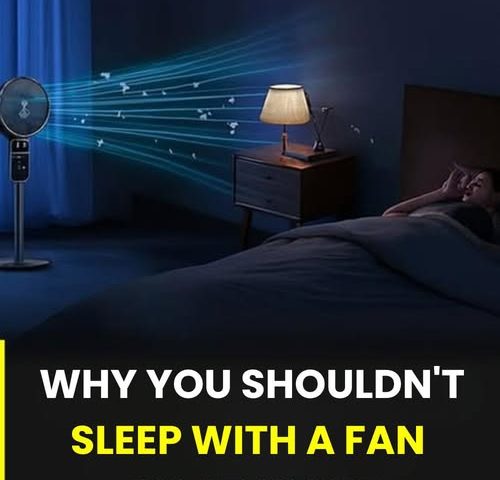
Sleeping with a fan on is a common habit, especially in warm weather. For many people, the gentle airflow and background noise make it easier to fall asleep. However, for others, this nightly routine can quietly interfere with sleep quality and overall health.
If you often wake up feeling worse instead of refreshed, your body may be signaling that sleeping with a fan on isn’t the right choice for you. Here are five clear signs to pay attention to.
1. You Wake Up With a Dry Mouth, Throat, or Stuffy Nose
One of the most common signs is dryness in the mouth, throat, or nasal passages when you wake up. A fan constantly circulating air can dry out mucous membranes overnight, reducing their ability to protect against irritation, bacteria, and allergens.
As a result, you may notice:
- A scratchy or sore throat in the morning
- A dry mouth even if you’re well hydrated
- Nasal congestion or sinus pressure
This is especially common in people who sleep with their mouth open, have allergies, or already struggle with sinus sensitivity.
2. You Experience Neck, Shoulder, or Muscle Stiffness
If you wake up with a stiff neck, sore shoulders, or tight muscles, the fan could be contributing. Continuous airflow—especially cool air—can cause muscles to tense slightly during sleep. Over several hours, this tension may lead to soreness or stiffness in the morning.
People who are more sensitive to temperature changes or who sleep in one position for long periods are more likely to notice this effect. A fan blowing directly on the body tends to make this problem worse.
3. You Feel Congested or Have Allergy Symptoms in the Morning

Fans don’t just move air—they also move dust, pollen, pet dander, and other allergens around the room. If you’re sensitive to airborne particles, sleeping with a fan on may worsen allergy symptoms without you realizing why.
Possible signs include:
- Sneezing shortly after waking
- Itchy eyes or throat
- Increased mucus or postnasal drip
Even a clean-looking room can contain allergens that are kept in constant circulation by a fan running all night.
4. You Wake Up Tired Despite Sleeping Enough Hours
If you sleep for seven or eight hours but still wake up feeling unrested, the fan may be subtly disrupting your sleep cycle. While the noise and airflow can feel comforting at first, they may prevent your body from reaching deeper, more restorative stages of sleep.
Small temperature drops throughout the night or constant airflow on the skin can trigger micro-awakenings—brief interruptions you don’t remember but that reduce sleep quality. Over time, this can lead to morning fatigue, brain fog, or low energy during the day.
5. You Notice Dry Skin or Irritated Eyes
Fans can accelerate moisture loss from the skin and eyes, especially in dry climates or air-conditioned rooms. If you frequently wake up with:
- Tight, dry, or itchy skin
- Red, irritated, or burning eyes
- A sensation of grit or discomfort in the eyes
- your body may be reacting to prolonged air exposure during sleep. People with sensitive skin, eczema, or dry-eye syndrome are particularly affected.
What You Can Do Instead

If you recognize several of these signs, you don’t necessarily need to stop using a fan altogether. Instead, consider:
- Pointing the fan away from your body
- Using a timer so it turns off after you fall asleep
- Keeping the room well ventilated during the day
- Cleaning the fan blades and room regularly
- Listening to your body is key. What feels comfortable in the moment may not always support deep, restorative rest.
Final Thought
Sleeping with a fan on isn’t harmful for everyone—but it’s not ideal for everyone either. If your body is giving you repeated signals of discomfort, dryness, or fatigue, it may be time to adjust your sleep environment. Quality sleep isn’t just about falling asleep fast—it’s about waking up truly restored.